
TLDR
Canadian winters create conditions that frequently amplify chronic pain, including reduced movement, muscle stiffness, disrupted sleep, and increased physical demands like snow clearing. Seasonal pacing strategies, structured indoor movement, and root-cause assessment through approaches like the Body Code™ system, Neurokinetic Therapy (NKT), and Dolphin Neurostim MPS give Mississauga patients a practical, individualized framework for managing pain through the colder months. If pain is worsening, limiting daily function, or not responding to self-management, a clinical assessment is the appropriate next step.
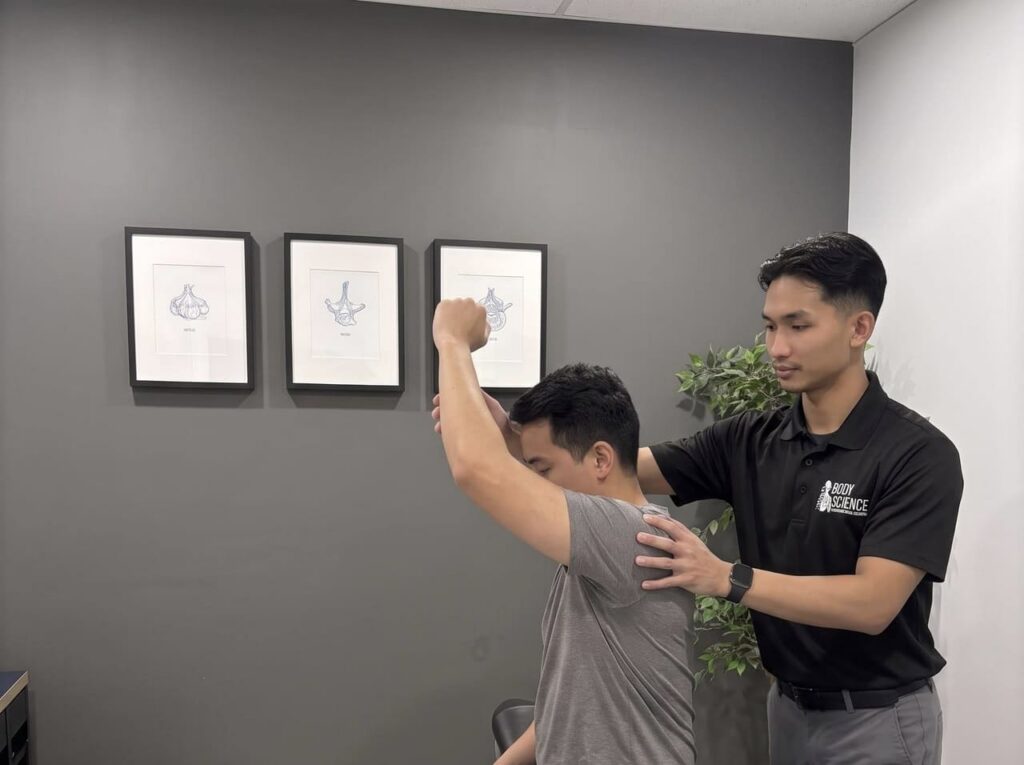
Mississauga winters arrive with shorter days, icy sidewalks, and the kind of cold that settles into muscles and joints before you have even stepped outside. For people living with chronic pain, whether that is persistent back pain, migraines, headaches, post-concussion symptoms, or complex musculoskeletal conditions, the season rarely feels neutral. Routines shift. Outdoor walks disappear. Snow shovelling replaces a morning stretch. And pain that felt manageable in October starts to feel like a different problem entirely by January.
Cold weather does not cause chronic pain on its own, but it does create a set of conditions that influence pain sensitivity, stiffness, mood, and movement confidence in ways that compound each other. Understanding those mechanisms, and having a structured plan to address them, makes a measurable difference in how you move through winter.
This guide covers why winter affects chronic pain, how seasonal pacing works in practice, safe indoor movement options, the value of community programs, and how a root-cause approach to chronic pain management in Mississauga adapts care to cold-weather realities.
Why Do Canadian Winters Make Chronic Pain Feel More Intense?
Winter does not flip a single switch that increases pain; it shifts several interconnected factors at once, and those shifts accumulate. Cold temperatures cause muscles and connective tissue to stiffen. Reduced outdoor activity decreases circulation and lowers the movement input your nervous system relies on to regulate pain sensitivity. Sleep quality often worsens. Stress levels rise with commuting delays, holiday demands, and fewer hours of daylight. And activities like snow clearing load the spine and shoulders in patterns your body is not conditioned for.
The nervous system responds to all of these changes. When movement decreases and protective signals increase, the nervous system recalibrates toward sensitivity rather than tolerance. This is not a failure of willpower; it is a physiological response to a changed environment. Research published in the National Institutes of Health notes that while the relationship between weather and pain is genuinely complex, many people with chronic conditions report consistent seasonal variation in their symptoms.
Common winter flare-up patterns include:
- Increased lumbar and thoracic stiffness after prolonged sitting or cold exposure
- More frequent tension headaches and migraines, often linked to posture, sleep, and stress changes
- Heightened sensitivity in areas of previous injury or scar tissue
- Worsening post-concussion symptoms when fatigue and disrupted routine accumulate
- Widespread musculoskeletal pain that tracks closely with mood, sleep, and activity changes
Attributing all of this to “the weather” leads to passive management. The clinically useful frame is identifying which modifiable factors are driving the change, and addressing those directly.
What Are Seasonal Pacing Strategies and How Do They Work in Winter?
Pacing is the planned regulation of activity and rest over time. It is not about doing less or stopping when pain appears; it is about distributing physical and cognitive load before symptoms spike so that capacity is preserved rather than depleted. The University of Michigan FibroGuide describes pacing as a proactive strategy for managing energy and activity to reduce the cycle of overexertion and crash that many people with chronic pain experience.
Winter requires a different pacing plan than other seasons because the physical demands and environmental conditions shift significantly. Heavier clothing adds resistance to movement. Snow clearing is an asymmetrical, high-load task that most people perform without adequate preparation. Icy conditions create tension and guarding throughout the body even when you are not consciously afraid of falling. Commuting becomes slower and more physically demanding.
A Practical Winter Pacing Framework
Step | What It Involves | Mississauga Example |
Identify predictable triggers | Note which winter tasks consistently precede flare-ups | Snow shovelling, long grocery trips, icy parking lots |
Break tasks into intervals | Divide high-load tasks into shorter segments with rest between | Shovel in 10-minute intervals rather than clearing the full driveway at once |
Rotate positions proactively | Change body position before symptoms build, not after | Stand and move briefly every 30 minutes during remote work |
Plan recovery windows | Schedule lighter activity after higher-demand tasks | Reduce evening activity after a demanding commute day |
Track patterns | Use a simple pain and energy log to detect triggers | Note pain levels, sleep quality, and activity load each day for two weeks |
The goal of pacing is to keep you moving consistently through winter rather than cycling between overexertion and forced rest. Preserving that consistency matters more than any single day’s output.
Which Indoor Movement Options Help Maintain Function When Outdoor Activity Drops?
Indoor movement serves as a practical bridge through winter, maintaining circulation, joint mobility, muscle activation, and movement confidence when outdoor exercise becomes less accessible. Physiopedia notes that regular physical activity plays a central role in pain management by modulating the nervous system, improving tissue tolerance, and supporting psychological well-being.
The right indoor movement program depends on your current symptom pattern, activity tolerance, and clinical history. The categories below represent a general framework; a clinician should help you identify the appropriate starting level and modify based on your specific condition.
Gentle Mobility
Spinal rotations, hip mobility sequences, shoulder circles, and ankle pumps help maintain range of motion and reduce the stiffness that accumulates during sedentary periods. These are often appropriate as a starting point for people with significant pain sensitivity or a history of previous unsuccessful therapy.
Low-Impact Cardiovascular Movement
Indoor walking, stationary cycling, step-up sequences, and water-based exercise where available support circulation and cardiovascular conditioning without the impact load or balance demands of outdoor winter activity.
Strength and Stability
Sit-to-stand practice, wall push-ups, resistance band rows, and controlled balance drills build the functional strength that supports daily tasks. These exercises are scalable and require minimal equipment, which makes them accessible for home-based winter programs.
Nervous System Regulation
Paced breathing, slow movement routines, and gentle stretching support the nervous system’s shift away from a heightened protective state. For people managing migraines, post-concussion symptoms, or widespread pain, this category is often as important as physical conditioning.
Safety considerations: begin below your flare-up threshold, use stable surfaces, and avoid pushing through sharp or escalating symptoms. If dizziness, headaches, or balance concerns are present, defer to a clinician before progressing independently.
How Does a Root-Cause Assessment Change Cold-Weather Pain Management?
Generic winter advice, such as “stay warm” and “keep moving,” gives you a starting direction but not a clinical plan. Effective chronic pain therapy in winter begins with understanding why your symptoms intensify, not simply treating the area that hurts.
At Body Science, this process begins with the Body Code™ assessment. The Body Code™ is a systematic clinical assessment that analyzes movement patterns and muscle activation sequences throughout the kinetic chain to identify neuromuscular dysfunction. It recognizes that pain symptoms often originate from compensatory movement patterns rather than isolated local tissue damage. When cold weather reduces movement and changes how you load your body, those compensatory patterns frequently become more pronounced and more symptomatic.
Both physiotherapy and chiropractic care contribute to this assessment process. Physiotherapy examines movement tolerance, joint mobility, muscle function, breathing mechanics, balance, and daily load capacity. Chiropractic care addresses spinal and joint mechanics, neuromuscular coordination, and the structural contributors to pain. Working together within an integrated approach, these disciplines allow for a more complete picture of what is driving your winter flare-ups.
From that assessment, treatment is individualized. Neurokinetic Therapy (NKT) identifies motor control dysfunction, meaning the specific patterns in which certain muscles are inhibited while others compensate, and uses targeted assessment and treatment to restore more efficient movement. Dolphin Neurostim MPS (Microcurrent Point Stimulation) applies concentrated microcurrent to acupuncture and trigger points to address pain and nervous system dysregulation at a neurological level. Neurofunctional Acupuncture uses precise needling based on neuroanatomy to influence muscle activation and pain modulation.
Scar tissue also contributes to winter pain in ways that are frequently overlooked. Scar tissue from previous surgeries, injuries, or trauma affects local tissue mobility and creates neurological interference that disrupts movement patterns across the wider kinetic chain. Cold temperatures can increase sensitivity in these areas. Addressing the neurological and neurofunctional implications of scar tissue, rather than treating the scar in isolation, is part of a thorough root-cause assessment.
The goal of this approach is not to suppress symptoms through the winter season. It is to understand the specific neuromuscular and mechanical contributors to your pain, address them with targeted treatment, and give you the knowledge and tools to contribute to your own recovery with greater autonomy.
What Should a Practical Winter Pain Plan Include?
A structured seasonal plan brings together pacing, movement, and clinical support into a framework you can actually use week to week. Below is a checklist built for Mississauga winters.
- Create a weekly indoor movement schedule and treat it as a non-negotiable appointment
- Pace snow clearing, grocery trips, and household tasks using the interval framework described above
- Warm up before any outdoor activity, especially in temperatures below zero
- Wear supportive footwear and use traction aids on icy surfaces to reduce guarding and protective tension
- Monitor sleep, hydration, stress, and flare-up patterns weekly to identify what is driving changes
- Book a clinical assessment if pain becomes more frequent, more intense, or more limiting than usual
Red Flags That Require Prompt Medical Attention
The following symptoms require medical assessment and should not be managed at home: new or sudden weakness, numbness or tingling without a clear cause, unexplained weight loss, fever alongside pain, severe headache that comes on suddenly and feels different from previous headaches, unexpected neurological changes, chest pain, or pain following a fall or significant impact.
Key Takeaways
- Canadian winters increase chronic pain risk indirectly by reducing movement, disrupting sleep, changing physical demands, and shifting nervous system sensitivity; cold temperatures alone are not the single cause.
- Seasonal pacing is a proactive, structured approach to distributing activity and rest across the day and week; it is not the same as avoiding movement or resting when pain appears.
- Indoor movement options including gentle mobility, low-impact cardio, strength work, and nervous system regulation exercises help maintain function when outdoor activity drops; the appropriate starting level depends on individual clinical history and symptom pattern.
- The Body Code™ assessment identifies neuromuscular dysfunction and compensatory movement patterns across the kinetic chain, enabling targeted treatment through NKT, Dolphin Neurostim MPS, and Neurofunctional Acupuncture rather than symptom-only management.
- Scar tissue creates neurological interference that contributes to pain and movement dysfunction; addressing its neurofunctional implications is part of a comprehensive root-cause assessment.
- Physiotherapy and chiropractic care work together within an integrated approach to assess and address the full range of mechanical, neuromuscular, and functional contributors to cold-weather pain flare-ups.
Build a Winter Pain Plan That Fits Your Life
Generic seasonal advice rarely accounts for your specific movement history, your symptom pattern, or the demands of your day-to-day life in Mississauga. Effective chronic pain therapy starts with understanding what is actually driving your symptoms, not just where they are located.
Body Science Therapy provides evidence-informed, individualized care for people managing persistent pain, complex musculoskeletal conditions, migraines, headaches, post-concussion symptoms, and chronic back pain. Care plans are built from clinical findings and personal goals, not one-size-fits-all protocols. Both physiotherapy and chiropractic care are integrated into assessment and treatment, giving you a complete picture of what is contributing to your pain and a clear path forward.
Book a Chronic Pain Therapy Assessment and start the winter with a plan grounded in your body’s actual capacity.
Frequently Asked Questions
Does cold weather actually make chronic pain worse?
The research on direct weather-pain relationships is mixed, but many people with chronic conditions report consistent seasonal variation in symptoms. Cold weather contributes indirectly by reducing movement, increasing muscle tension and guarding, disrupting sleep, raising stress, and making daily tasks more physically demanding. Therapy focused on these modifiable factors tends to be more productive than attributing all symptom changes to temperature alone.
What are the safest indoor exercises for chronic pain during winter?
Gentle mobility work, low-impact cardiovascular movement, controlled balance and stability exercises, and nervous system regulation routines are common starting points. The safest option for you depends on your specific condition, current symptom irritability, balance, medical history, and activity tolerance. A physiotherapy or chiropractic assessment establishes an appropriate baseline and progression so you are moving in a direction that builds capacity rather than creating setbacks.
When should chronic pain be assessed by a clinician instead of managed at home?
Clinical assessment is appropriate when pain is worsening, limiting daily function, causing repeated flare-ups that do not settle with rest, affecting sleep consistently, or not responding to previous therapy. Seek prompt medical care if you experience sudden neurological changes, a severe new headache, unexplained weakness or numbness, fever alongside pain, chest pain, or pain following a fall.