
Painful intercourse and vaginismus can affect both physical comfort and emotional well-being, often making intimacy difficult or distressing. These conditions are commonly linked to pelvic floor muscle dysfunction and can improve with the right approach. At Body Science Therapy in Mississauga, physiotherapy focuses on reducing pain, restoring muscle coordination, and supporting a gradual return to comfortable function.
Understanding Painful Intercourse and Vaginismus
Painful intercourse (dyspareunia) refers to discomfort or pain during or after vaginal penetration, while vaginismus involves an involuntary tightening of the pelvic floor muscles that makes penetration difficult or impossible. Both conditions are often related to overactive or hypersensitive pelvic floor muscles rather than structural abnormalities.
The pelvic floor plays a key role in relaxation, support, and coordination during movement and function. When these muscles are tense, guarded, or poorly coordinated, they can create pain and resistance. Physiotherapy focuses on restoring relaxation, improving muscle awareness, and reducing sensitivity in the affected area.
Symptoms of Painful Intercourse and Vaginismus
These conditions may present with:
- Pain or burning sensation during penetration
- Involuntary tightening or guarding of pelvic floor muscles
- Difficulty or inability to tolerate penetration
- Pain during or after sexual activity
- Anxiety or anticipation of discomfort related to intimacy
Causes of Painful Intercourse and Vaginismus
These conditions often develop due to a combination of physical and neurological factors. Common causes include:
- Overactive or tight pelvic floor muscles
- Previous pain experiences leading to muscle guarding
- Nerve sensitivity or irritation
- Hormonal changes affecting tissue sensitivity
- Poor coordination between pelvic floor and breathing patterns
Our Approach to Treating Painful Intercourse and Vaginismus
At Body Science Therapy, treatment focuses on reducing pelvic floor tension, improving coordination, and gradually restoring tolerance to movement and function. Our Signature Care System (The Body Code™) is individualized and progresses at a pace that supports comfort and confidence.
Comprehensive Pelvic Floor Assessment
Assessment includes evaluation of pelvic floor muscle tone, coordination, and sensitivity, as well as breathing patterns and posture. Pain triggers and functional limitations are carefully reviewed. This detailed assessment guides a personalized treatment plan tailored to each individual’s comfort level.
Physiotherapy Treatment Strategies for Painful Intercourse and Vaginismus
Treatment strategies may include:
- Hands-on physiotherapy techniques: Gentle techniques to release tension and reduce pelvic floor overactivity
- Pelvic floor muscle retraining: Focusing on relaxation, awareness, and controlled activation
- Breathing and coordination exercises: Restoring proper interaction between the diaphragm and pelvic floor
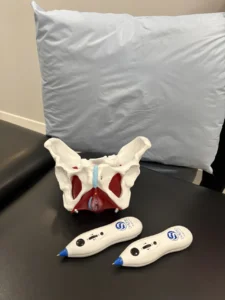
- Neuromuscular stimulation using Dolphin Neurostim MPS: Gentle stimulation to support normalization of muscle activity
- Motor pattern assessment and treatment using NKT: Identifying and correcting dysfunctional movement patterns contributing to tension
- Postural correction and movement retraining: Reducing unnecessary strain and improving overall muscle balance
- Education for long-term improvement: Guidance on pacing, comfort strategies, and gradual progression
Education and Long-Term Management
Education is a key part of treatment. Physiotherapists provide guidance on relaxation strategies, gradual exposure techniques, and ways to reduce muscle guarding. Understanding how to manage triggers and build tolerance helps support long-term improvement and confidence.
Our Comprehensive Services
At Body Science Therapy, we offer comprehensive care tailored to your needs.
- Physiotherapists
- Massage Therapy
- Psychotherapy
- Chiropractic Care
- NeuroKinetic Therapy
- Dolphin Neurostim MPS
- Neurofunctional Acupuncture
- Concussion Clinic Treatment
- Functional Exercises
Why Choose Body Science Therapy?
Body Science Therapy provides patient-centered pelvic health physiotherapy grounded in evidence-based practice. Treatment emphasizes a supportive, individualized approach focused on comfort, progress, and long-term outcomes.
Our Commitment to Care
- Professional and compassionate care
- Modern physiotherapy techniques
- Focus on education and long-term functional outcomes
Supporting Comfort and Confidence
Painful intercourse and vaginismus can be challenging, but effective treatment is available. If you are seeking painful intercourse and vaginismus treatment in Mississauga, booking an appointment at Body Science Therapy can support improved comfort, confidence, and overall pelvic health.
Related Conditions
|
|
Painful Intercourse and Vaginismus Treatment Mississauga FAQs
Can Vaginismus Be Treated With Physiotherapy?
Yes, physiotherapy is a common and effective approach for managing vaginismus. Treatment focuses on reducing pelvic floor muscle tension, improving coordination, and gradually increasing tolerance to movement. Progress is individualized and guided at a comfortable pace.
Why Do My Pelvic Floor Muscles Tighten Involuntarily?
Involuntary tightening can occur as a protective response to pain, anxiety, or previous discomfort. The pelvic floor may become overactive or hypersensitive, leading to muscle guarding. Physiotherapy helps retrain the muscles to relax and respond appropriately.
How Long Does It Take to See Improvement?
Improvement timelines vary depending on the severity of symptoms and individual response to treatment. Some individuals notice gradual changes within a few sessions, while others may require a longer, step-by-step approach to restore comfort and function.
When Should I Seek Treatment for Painful Intercourse?
You should seek treatment if pain is persistent, worsening, or affecting your quality of life or relationships. Early intervention can help address underlying muscle dysfunction and support a more comfortable recovery process.