Postpartum recovery involves physical and functional changes that can affect the pelvic floor, core strength, posture, and overall movement. Many individuals experience symptoms such as weakness, discomfort, or reduced control following childbirth. At Body Science Therapy in Mississauga, physiotherapy focuses on restoring strength, coordination, and confidence through individualized, evidence-based care.
Understanding Postpartum Recovery
After childbirth, the body undergoes significant changes as it heals and adapts. The pelvic floor muscles, abdominal wall, and surrounding structures may become weakened or stretched, particularly following vaginal delivery. Hormonal changes can also influence tissue support and joint stability during the recovery period.
The pelvic floor works closely with the core and breathing system to provide stability and control. When this system is disrupted, it can affect bladder control, posture, and physical performance. Physiotherapy aims to restore this coordination, improve strength, and support safe return to daily activities and exercise.
Symptoms of Postpartum Recovery Challenges
Postpartum recovery concerns may present with:
- Pelvic floor weakness or reduced control
- Urinary leakage during activity
- Core weakness or abdominal separation (diastasis recti)
- Pelvic discomfort or pressure
- Difficulty returning to exercise or daily activities
Causes of Postpartum Recovery Challenges
Postpartum symptoms often develop due to a combination of factors. Common contributing factors include:
- Stretching or weakening of pelvic floor muscles during pregnancy and childbirth
- Abdominal muscle separation affecting core stability
- Hormonal changes influencing tissue integrity
- Changes in posture and movement patterns
- Increased physical demands during recovery
Our Approach to Postpartum Recovery Treatment
At Body Science Therapy, postpartum physiotherapy focuses on restoring pelvic floor and core function, improving movement patterns, and supporting a gradual return to activity. Our Signature Care System (The Body Code™) is tailored to each individual’s recovery stage and goals.
Comprehensive Postpartum Assessment
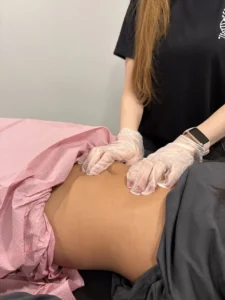
Assessment includes evaluation of pelvic floor muscle strength, endurance, and coordination, as well as abdominal function, breathing patterns, and posture. Functional tasks such as lifting, carrying, and movement patterns are also assessed. This detailed evaluation guides a personalized treatment plan.
Physiotherapy Treatment Strategies for Postpartum Recovery
Treatment strategies may include:
- Targeted pelvic floor muscle training: Exercises to restore strength, endurance, and control
- Hands-on physiotherapy techniques: Techniques to release tension and improve muscle function where needed
- Breathing and coordination exercises: Restoring proper interaction between the diaphragm, core, and pelvic floor
- Neuromuscular stimulation using Dolphin Neurostim MPS: Gentle stimulation to support muscle activation and coordination
- Motor pattern assessment and treatment using NKT: Identifying and correcting dysfunctional movement patterns affecting recovery
- Postural correction and movement retraining: Improving body mechanics for safe daily activity
- Education for long-term improvement: Guidance on lifting techniques, exercise progression, and recovery pacing
Education and Long-Term Recovery Support
Education is essential in postpartum recovery. Physiotherapists provide guidance on safe return to exercise, managing daily activities, and recognizing signs of strain or overload. Learning how to support the pelvic floor and core during movement helps prevent future issues and promotes long-term health.
Our Comprehensive Services
At Body Science Therapy, we offer comprehensive care tailored to your needs.
- Physiotherapists
- Massage Therapy
- Psychotherapy
- Chiropractic Care
- NeuroKinetic Therapy
- Dolphin Neurostim MPS
- Neurofunctional Acupuncture
- Concussion Clinic Treatment
- Functional Exercises
Why Choose Body Science Therapy
Body Science Therapy provides patient-centered postpartum physiotherapy grounded in evidence-based practice. Treatment emphasizes individualized care, functional recovery, and education to support long-term outcomes.
Our Commitment to Care
- Professional and compassionate care
- Modern physiotherapy techniques
- Focus on education and long-term functional outcomes
Supporting Recovery and Return to Activity
Postpartum recovery is an important phase that benefits from guided support. If you are seeking postpartum recovery treatment in Mississauga, booking an appointment at Body Science Therapy can help restore strength, improve function, and support a confident return to daily activities.
Related Conditions
|
|
Postpartum Recovery Treatment Mississauga FAQs
When Should I Start Physiotherapy After Childbirth?
Physiotherapy can often begin within the first few weeks after childbirth, depending on individual recovery and medical guidance. Early assessment helps identify any concerns and provides guidance on safe movement and recovery strategies.
Can Physiotherapy Help With Postpartum Urinary Leakage?
Yes, physiotherapy can help improve urinary control by strengthening and retraining the pelvic floor muscles. Addressing coordination and movement patterns also plays an important role in reducing symptoms.
How Long Does Postpartum Recovery Take?
Recovery timelines vary depending on individual factors such as delivery type, overall health, and activity levels. Some improvements may be noticed within weeks, while full recovery can take several months with consistent care.
Is It Safe to Return to Exercise After Childbirth?
Exercise can be safely resumed with proper guidance. A physiotherapist can help determine appropriate timing and provide a structured progression to ensure the pelvic floor and core are ready for increased activity.