
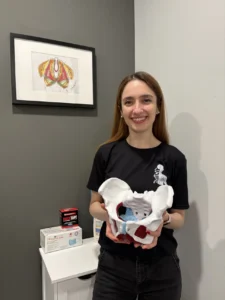
Pelvic floor overactivity occurs when the pelvic floor muscles remain tense or unable to fully relax, leading to discomfort and functional challenges. This can affect bladder, bowel, and sexual function, as well as overall comfort during daily activities. At Body Science Therapy in Mississauga, physiotherapy focuses on reducing muscle tension, improving coordination, and restoring normal pelvic floor function.
Understanding Pelvic Floor Overactivity
Pelvic floor overactivity refers to a state where the pelvic floor muscles are constantly engaged or unable to relax appropriately. While strength is important, these muscles also need to lengthen and release at the right time. When relaxation is limited, it can lead to pain, pressure, and difficulty with normal bodily functions.
The pelvic floor works in coordination with breathing, posture, and movement. If this coordination is disrupted, it can create excessive tension and inefficient muscle patterns. Physiotherapy aims to restore balance by improving awareness, reducing overactivity, and retraining proper muscle function.
Symptoms of Pelvic Floor Overactivity
Pelvic floor overactivity may present with:
- Persistent pelvic tension or discomfort
- Difficulty initiating or fully emptying the bladder or bowels
- Pain during or after sitting or activity
- Painful intercourse or sensitivity in the pelvic region
- Feeling of tightness or pressure in the pelvic floor
Causes of Pelvic Floor Overactivity
Pelvic floor overactivity often develops due to multiple contributing factors. Common causes include:
- Chronic stress leading to muscle guarding
- Previous pain or injury causing protective tension
- Poor coordination between breathing and pelvic floor muscles
- Repetitive strain or prolonged postural stress
- Habitual holding patterns in the pelvic region
Our Approach to Treating Pelvic Floor Overactivity
At Body Science Therapy, treatment focuses on reducing muscle tension, improving coordination, and restoring the ability of the pelvic floor to relax and function normally. Our Signature Care System (The Body Code™) is individualized and progresses at a pace that supports comfort and control.
Comprehensive Pelvic Floor Assessment
Assessment includes evaluation of pelvic floor muscle tone, coordination, and relaxation ability, along with breathing patterns, posture, and movement strategies. Functional patterns and symptom triggers are carefully reviewed. This detailed assessment guides a personalized treatment plan.
Physiotherapy Treatment Strategies for Pelvic Floor Overactivity
Treatment strategies may include:
- Hands-on physiotherapy techniques: Techniques to release tension and reduce muscle overactivity
- Pelvic floor muscle retraining: Focusing on relaxation, awareness, and controlled activation
- Breathing and coordination exercises: Restoring proper interaction between the diaphragm and pelvic floor
- Neuromuscular stimulation using Dolphin Neurostim MPS: Gentle stimulation to help normalize muscle activity
- Motor pattern assessment and treatment using NKT: Identifying and correcting dysfunctional movement patterns contributing to tension
- Postural correction and movement retraining: Reducing strain and improving muscle balance
- Education for long-term improvement: Guidance on relaxation strategies, daily habits, and symptom management
Education and Long-Term Management
Education is essential in managing pelvic floor overactivity. Physiotherapists provide strategies for reducing muscle guarding, improving relaxation, and managing triggers that contribute to tension. Learning how to regulate pelvic floor activity supports long-term relief and improved function.
Our Comprehensive Services
At Body Science Therapy, we offer comprehensive care tailored to your needs.
- Physiotherapists
- Massage Therapy
- Psychotherapy
- Chiropractic Care
- NeuroKinetic Therapy
- Dolphin Neurostim MPS
- Neurofunctional Acupuncture
- Concussion Clinic Treatment
- Functional Exercises
Why Choose Body Science Therapy
Body Science Therapy provides patient-centered pelvic health physiotherapy grounded in evidence-based practice. Treatment emphasizes individualized care, functional improvement, and education to support lasting outcomes.
Our Commitment to Care
- Professional and compassionate care
- Modern physiotherapy techniques
- Focus on education and long-term functional outcomes
Supporting Comfort and Functional Balance
Pelvic floor overactivity can impact multiple aspects of daily life, but effective treatment can help restore balance and comfort. If you are seeking pelvic floor overactivity treatment in Mississauga, booking an appointment at Body Science Therapy can support improved function and long-term pelvic health.
Related Conditions
|
|
Pelvic Floor Overactivity Treatment Mississauga FAQs
Can Pelvic Floor Muscles Be Too Tight Instead of Weak?
Yes, pelvic floor muscles can become overactive or too tight, which can lead to pain and difficulty with normal function. In these cases, treatment focuses on relaxation and coordination rather than strengthening alone.
How Do I Know If My Pelvic Floor Is Not Relaxing Properly?
Signs may include difficulty with bladder or bowel emptying, pelvic pain, or discomfort during sitting or activity. A physiotherapy assessment can help determine if overactivity is contributing to your symptoms.
Is Strengthening the Pelvic Floor Always Helpful?
Not always. In cases of overactivity, strengthening without addressing tension can worsen symptoms. Treatment focuses first on improving relaxation and coordination before adding strengthening if needed.
When Should I Seek Treatment for Pelvic Floor Overactivity?
You should seek treatment if symptoms such as pelvic pain, difficulty with bladder or bowel function, or discomfort during activity are persistent or affecting your quality of life. Early intervention can help restore normal function more effectively.