Tight, aching “knots” in your muscles can limit how you move, train, and enjoy daily life. At Body Science Therapy in Mississauga, Ontario, we offer targeted trigger point therapy to help reduce chronic muscle tension, ease referred pain, and support your return to the activities that matter most to you. Every session is one-on-one and shaped around your specific needs and goals.
Services / Trigger Point Therapy
Trigger points are hyper-sensitive areas within your muscle tissue that can generate deep, persistent aching and restrict how freely you move. What makes them particularly frustrating is their tendency to send pain signals to areas of the body that feel completely unconnected to the actual source—so that neck stiffness you feel may actually trace back to tension elsewhere in your upper back or shoulders.
At Body Science Therapy in Mississauga, our therapists use evidence-informed trigger point therapy to locate and address these painful spots so you can recover from everyday demands, workplace strain, or athletic exertion. This hands-on approach integrates smoothly alongside physiotherapy, chiropractic care, or an active training program.
Whether you sit at a desk for long stretches, commute across Mississauga, or push yourself on the trails and in the gym on weekends, targeted trigger point therapy can help you feel more comfortable and move with greater confidence on a day-to-day basis.

Trigger point therapy is a focused manual therapy approach that targets specific, hyper-irritable zones within a muscle—often described as tight bands or "knots." These areas can produce local pain, radiating discomfort, stiffness, and a reduced ability to move freely through your full range of motion.
Your therapist uses precise, sustained pressure directly on these points, often combined with guided movement or stretching, to help the muscle tissue release. This process aims to reduce tension within the affected fibres, restore blood flow to the area, and decrease the discomfort that comes from prolonged muscle guarding or overload.
Trigger points commonly develop as a result of repetitive motion, prolonged static postures, prior injuries, or accumulated physical stress over time. For people living active or demanding lives in Mississauga, these contributing factors can add up quickly—whether from hours at a workstation, heavy lifting, or regular athletic training.
At Body Science Therapy, trigger point therapy is often woven into a broader treatment plan that may include myofascial release, massage therapy, or exercise-based rehabilitation, so that both your immediate discomfort and its underlying contributors are addressed together.
Releasing tight knots can decrease overall muscular tension and tenderness in areas that have felt chronically stiff or uncomfortable.
Addressing trigger points in the neck, shoulders, or back may help reduce headaches or pain that radiates away from the actual source.
When muscles release, you may notice it becomes easier to move, exercise, and carry out physical tasks that previously felt restricted or painful.
Prolonged sitting, driving, or desk work can load certain muscle groups unevenly. Trigger point therapy can help ease tension that builds from these sustained positions.
Muscular tightness from lifting, running, or repetitive athletic movements may respond well to trigger point therapy as part of an active recovery strategy.
When combined with home exercises and lifestyle adjustments, regular trigger point therapy can help reduce the frequency and intensity of flare-ups over time.
For many people, these benefits build progressively across a series of sessions, especially when treatment is paired with the home strategies and movement recommendations your therapist provides.
Neck and shoulder tension from extended computer or desk work
Upper and lower back discomfort linked to posture or repetitive physical demands
Tension-type headaches and muscle tightness associated with migraines
Jaw and facial tension that may contribute to TMJ-related discomfort
Hip, glute, and leg tightness that affects walking, running, or sport performance
Muscle soreness and fatigue from overuse, repetitive strain, or high training loads
Chronic pain conditions where muscular tension is a contributing factor
Recovery support for those who have tried other approaches without sustained relief
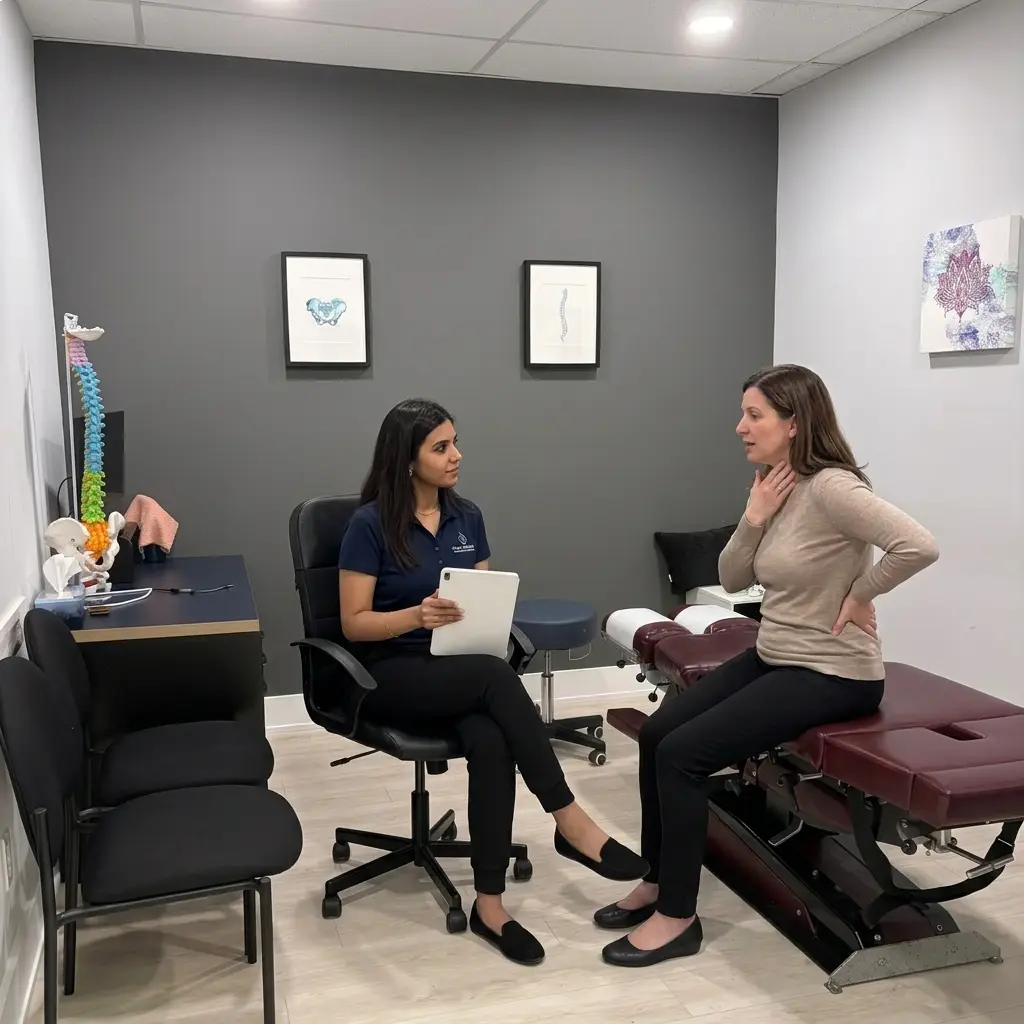
Your first trigger point therapy session at Body Science Therapy in Mississauga begins with a conversation about what you have been experiencing—your symptoms, your activity level, your work environment, and your recovery goals. This is followed by a hands-on movement and posture assessment so your therapist can identify which muscles are under stress and where trigger points may be contributing to your discomfort.
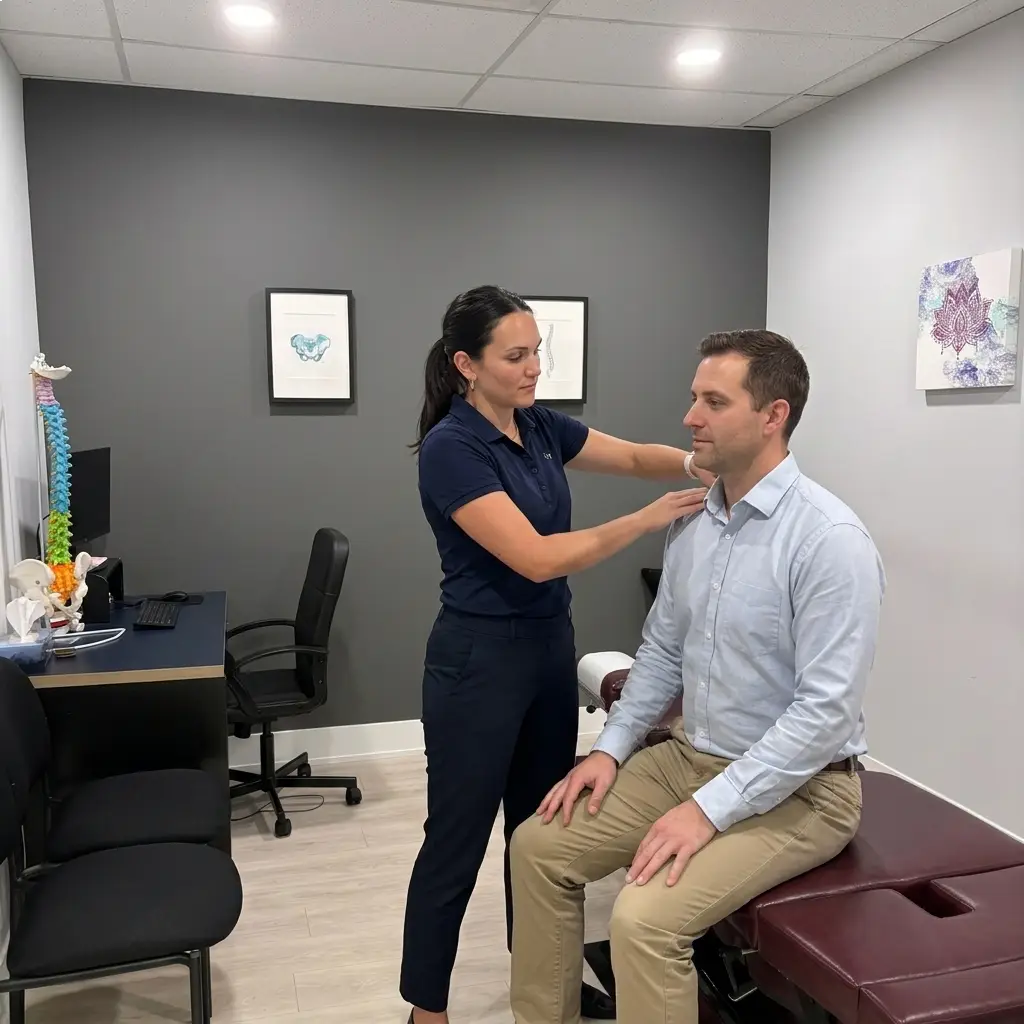
Treatment involves applying direct, sustained pressure to the identified points. You may feel a deep, heavy sensation or a familiar ache that radiates outward—this is a common response and often eases as the muscle begins to release. Your therapist may also incorporate stretching, joint mobilization, or other manual techniques to complement the trigger point work.
Sessions typically run between 30 and 60 minutes depending on how many areas need attention and what else is incorporated into your plan. The number of appointments recommended will vary—some people see meaningful change within a few visits, while those managing long-standing or complex issues may benefit from a longer, structured program.
Throughout every session, open communication is encouraged. Pressure can always be adjusted to remain effective yet comfortable, and your feedback helps your therapist fine-tune the treatment as your muscles respond and your condition evolves.

When you are managing persistent pain, recovering from a setback, or trying to stay active despite recurring muscle tension, the quality and thoughtfulness of your care matters. At Body Science Therapy in Mississauga, every trigger point therapy session is one-on-one—your therapist is focused entirely on you, with no distractions and no divided attention.
Our approach goes beyond simply pressing on painful spots. We look at the broader picture: how you sit, move, train, and recover—and what postural habits, training loads, or previous injuries may be setting the stage for repeated tension. This means you receive care that addresses contributing factors, not just immediate discomfort.
We work collaboratively with patients across a wide range of backgrounds—from people managing chronic conditions and complex pain patterns to weekend athletes, office workers, and those who have not found lasting relief through other approaches. If you have had previous therapy that did not fully address your needs, our team is experienced in working through those more nuanced presentations.
Conveniently located in Mississauga at 6465 Millcreek Drive, we offer same-day appointments and direct billing to many insurance providers, so getting started is as straightforward as possible. Your goals shape the plan—whether that means returning to sport, reducing daily discomfort, or maintaining an active and comfortable life long-term.
During trigger point therapy, it is common to feel a deep, achy pressure or a familiar radiating sensation as your therapist works on the affected muscle. This level of discomfort is generally manageable and tends to ease as the muscle responds and begins to release. Your therapist will consistently check in with you so that pressure can be adjusted to remain both effective and tolerable throughout the session.
The number of sessions that will be most helpful for you depends on factors such as how long you have had symptoms, the areas affected, and your overall recovery goals. Some patients notice meaningful change within two to four sessions, while those dealing with long-standing or more complex muscle tension may benefit from a longer, structured program. Your therapist will discuss a realistic timeline with you and adjust the plan as your response to treatment becomes clearer.
After your session, staying well hydrated and allowing yourself some gentle movement can support how your body responds to treatment. It is normal to experience mild soreness in the treated areas—similar to how muscles feel after a workout—which typically settles within a day or two. Following any stretching routines or home exercises your therapist recommends can help extend the benefits of each session and support your progress between visits.
Yes—trigger point therapy is designed to work alongside other forms of care, including massage therapy, myofascial release, physiotherapy, chiropractic treatment, and exercise-based rehabilitation. Combining approaches often leads to more thorough outcomes because each discipline can address different aspects of why your pain or tension developed. Your therapist can help coordinate your care so that each treatment you receive builds meaningfully on the others.
Trigger point therapy is appropriate for many people across a broad range of ages and activity levels, but certain health conditions, recent injuries, or medications may require your therapist to modify the approach or recommend an alternative technique. Before treatment begins, your therapist will review your health history and any relevant concerns to determine the most suitable and safe way to proceed. If trigger point therapy is not the right fit for your situation, your therapist will discuss other options with you.
Or call us at (905) 997-2639 | 6465 Millcreek Dr #140, Mississauga, ON
Office Hours
Sunday: Closed
Monday: 7:00 AM – 8:00 PM
Tuesday: 7:00 AM – 8:00 PM
Wednesday: 8:30 AM – 8:00 PM
Thursday: 7:00 AM – 8:00 PM
Friday: 8:30 AM – 7:00 PM
Saturday: 8:30 AM – 3:00 PM